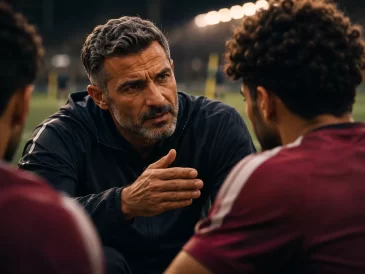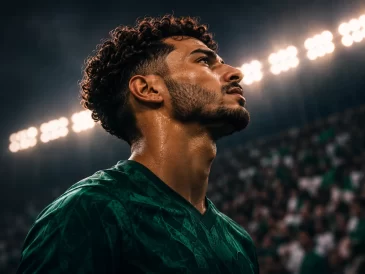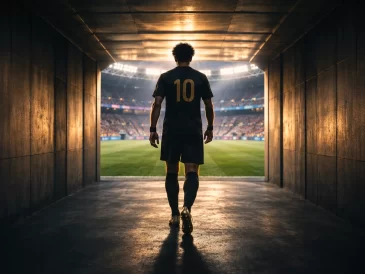
Fan zones combine live sport, entertainment, sponsor activity and public emotion in one constantly changing production environment.
The story opportunity
Coverage must show scale while still finding individuals whose reactions make the event relatable. Sponsor presence also has to be captured naturally within the experience.
Production approach
Mobile camera teams follow a timed event map while a central producer monitors performances, match moments and audience peaks. Rapid media transfer supports same-night publishing.
The strongest production choices are the ones that protect the central story before adding scale.
Why it matters
Organisers receive a complete event story and a broad library of social, partner and promotional material from the same operation.
Turn producing live fan zones across the gulf into one precise editorial question before planning coverage. For sports & event production, access should serve the narrative rather than simply increase the volume of footage. Define the hero story, supporting edits and platform versions before production begins. Start with the audience, the central editorial question and the change the finished story should communicate. Those decisions guide access, contributors and visual priorities. The principle remains practical: plan the story and delivery together, then choose the crew and workflow that suit sports & event production rather than forcing every project into the same model. No. This is fictional editorial demo content created to test the RAWI article layout and its content components.Key Takeaways
Frequently Asked Questions
What should the production define first?
How does this apply to Sports & Event Production?
Is this article describing a real commission?