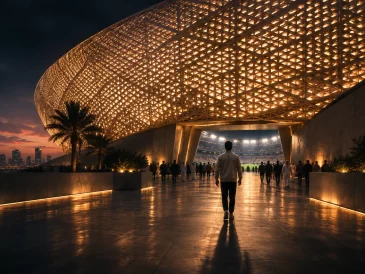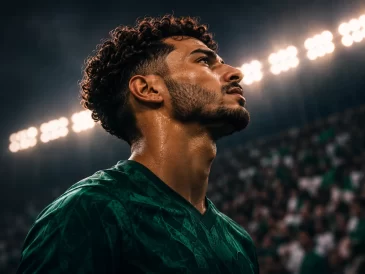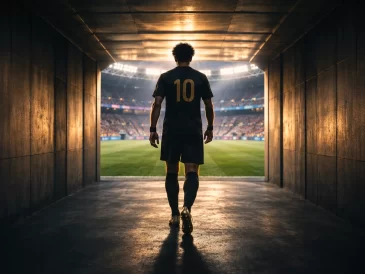
Every polished matchday film depends on a crew making hundreds of coordinated decisions in crowded, time-sensitive conditions.
The story opportunity
Showing the production itself reveals the craft behind the images: access checks, lens choices, audio problems, data management and the race to deliver after full time.
Production approach
A small behind-the-scenes unit follows the crew without interrupting operations. Short reflections recorded during natural pauses explain why key decisions were made.
The strongest production choices are the ones that protect the central story before adding scale.
Why it matters
The film demonstrates production capability, celebrates technical roles and gives future clients a transparent view of how the work is delivered.
Turn a night at the stadium: the crew behind the story into one precise editorial question before planning coverage. For sports & event production, access should serve the narrative rather than simply increase the volume of footage. Define the hero story, supporting edits and platform versions before production begins. Start with the audience, the central editorial question and the change the finished story should communicate. Those decisions guide access, contributors and visual priorities. The principle remains practical: plan the story and delivery together, then choose the crew and workflow that suit sports & event production rather than forcing every project into the same model. No. This is fictional editorial demo content created to test the RAWI article layout and its content components.Key Takeaways
Frequently Asked Questions
What should the production define first?
How does this apply to Sports & Event Production?
Is this article describing a real commission?