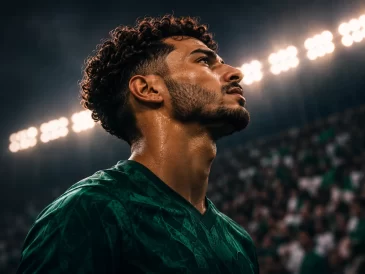
A matchday is more than ninety minutes. It is a live story built from arrivals, rituals, sound, colour and the shared anticipation of thousands of supporters.
The story opportunity
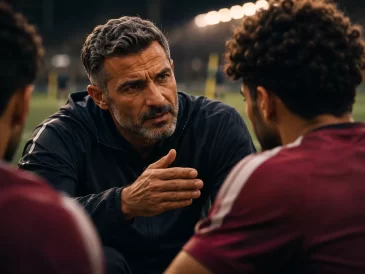
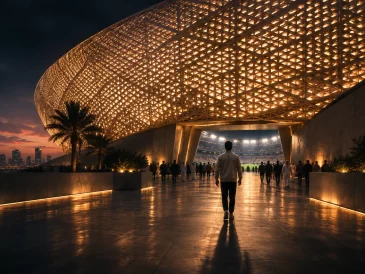
The strongest stadium films begin before kick-off. Crew access to the concourse, dressing-room corridors, fan gathering points and production control creates a complete sense of place instead of a simple highlights package.
Production approach
A compact unit can combine long-lens match coverage with handheld fan material, controlled player access and clean atmospheric sound. A clear shot plan protects the key moments while leaving space for unexpected emotion.
The strongest production choices are the ones that protect the central story before adding scale.
Why it matters
The result is a reusable matchday story that can support a hero film, episodic social edits, sponsor deliverables and an archive of authentic club culture.
Turn inside the matchday: how saudi stadiums come alive into one precise editorial question before planning coverage. For sports & event production, access should serve the narrative rather than simply increase the volume of footage. Define the hero story, supporting edits and platform versions before production begins. Start with the audience, the central editorial question and the change the finished story should communicate. Those decisions guide access, contributors and visual priorities. The principle remains practical: plan the story and delivery together, then choose the crew and workflow that suit sports & event production rather than forcing every project into the same model. No. This is fictional editorial demo content created to test the RAWI article layout and its content components.Key Takeaways
Frequently Asked Questions
What should the production define first?
How does this apply to Sports & Event Production?
Is this article describing a real commission?